Search Product

HOME SLEEP TEST
Rx & Sleep Tests
CPAP Masks
CPAP Machines
CPAP Supplies & Accessories
Wireless Monitoring
Prescriptions
Blog
Submit Your Rx
Home Guides CPAP Winter Preparedness

Winter-Ready CPAP Therapy

Discover essential tips to maintain effective CPAP therapy during cold winter months. Prevent rainout, stay comfortable, and protect your equipment from winter challenges.
100%
Rainout Prevention
-20°F
Equipment Protection
24/7
Winter Support
Best CPAP machine for sleep apnea

Winter Therapy Challenges & Tips

Learn how to overcome cold weather issues to keep your sleep therapy consistent

Winter presents unique challenges for CPAP users, with cold temperatures and dry air creating potential obstacles to effective therapy. The most common issue—rainout—occurs when moisture condenses in your tubing due to temperature differences between your heated humidifier and cooler bedroom air. This can lead to uncomfortable gurgling sounds, water droplets hitting your face, and reduced therapy effectiveness.

Beyond rainout, winter conditions can cause nasal congestion, dry airways, and equipment challenges. Cold bedrooms, fluctuating temperatures, and dry winter air all impact how your CPAP system functions. However, with proper preparation and the right accessories, you can maintain optimal therapy comfort throughout the coldest months.

This comprehensive guide covers everything from preventing condensation to protecting your equipment during winter travel and maintaining comfort in dry, cold conditions.
CPAP machine winter travel

Essential Winter CPAP Solutions

Key products and accessories to maintain comfortable therapy in cold-conditions

Heated Tubing

Prevents condensation by maintaining consistent air temperature from machine to mask.

Insulated Tube Covers

Affordable solution to reduce temperature differences and prevent rainout.

Climate Control Systems

Automatically adjusts humidity and temperature for optimal comfort.

Overcome Every Winter Challenge

Understand common winter issues and how to effectively address them

Winter Challenge Solution
Rainout (Condensation) Use heated tubing or insulated tube covers to maintain consistent air temperature and prevent moisture buildup in the tubing.
Nasal Congestion Increase humidifier settings, use nasal saline sprays before bed, and consider a heated humidifier with climate control features.
Dry Airway Irritation Adjust humidity levels based on room temperature, use chin straps to prevent mouth breathing, and stay hydrated throughout the day.
Cold Bedroom Temperatures Position CPAP machine lower than bed level, use tube covers, and consider a small space heater (safely positioned away from equipment).
Equipment Damage from Cold Never store equipment in freezing temperatures, allow machines to reach room temperature before use, and use protective cases for travel.

Winter CPAP Tutorials & Tips

Watch expert guides on maintaining effective CPAP therapy during winter months
home sleep test kit better sleep

Eliminating Rainout: Winter CPAP Setup

Complete guide to preventing condensation in your CPAP tubing during cold winter nights

14:35 42K views
home sleep test kit better sleep

Heated Tubing Installation & Settings

How to properly set up and optimize heated tubing for maximum winter comfort

11:20 38K views
home sleep test kit better sleep

Winter CPAP Travel & Storage Tips

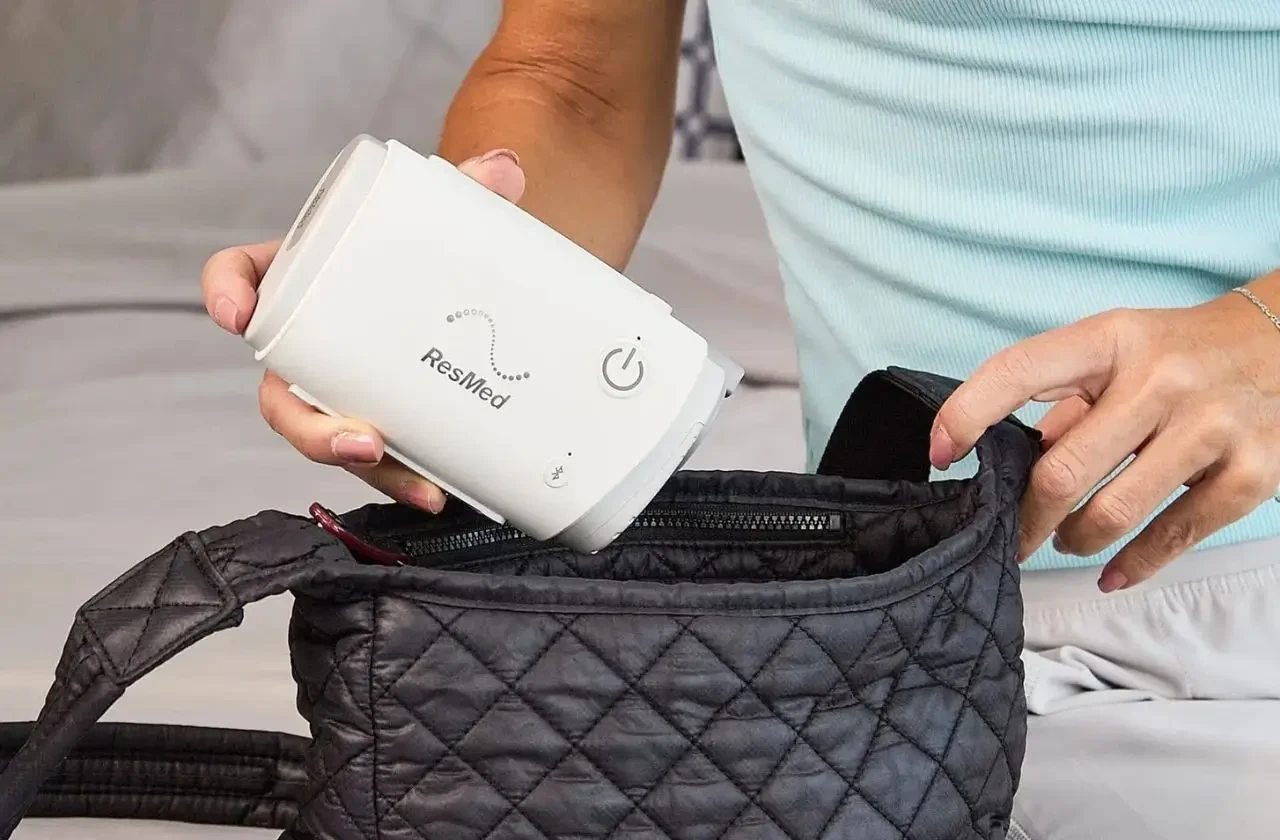
Protecting your CPAP equipment during cold weather travel and proper winter storage

16:45 29K views

Prepare Your Device for Colder Days

Follow these steps to ensure comfortable and effective CPAP therapy throughout winter

1

Assess Your Winter Sleep Environment

Evaluate your bedroom conditions and identify potential cold-weather challenges.

Environment Assessment Tips:

  • Measure nighttime bedroom temperatures
  • Identify drafty windows or cold spots near your bed
  • Note any existing condensation issues
  • Consider your home's winter humidity levels
2

Implement Rainout Prevention Strategies

Choose and install the right condensation prevention solutions for your setup.

Rainout Prevention Tips:

  • Invest in heated tubing if your machine supports it
  • Use insulated tube covers as an affordable alternative
  • Position your CPAP machine lower than your bed
  • Adjust humidity settings based on room temperature
3

Optimize Humidity & Comfort Settings

Fine-tune your CPAP settings for winter conditions and personal comfort.

Settings Optimization Tips:

  • Use automatic climate control if available
  • Gradually increase humidity settings as temperatures drop
  • Use ramp features to ease into therapy
  • Consider heated humidifier options for extreme cold
4

Establish Winter Maintenance Routines

Create consistent habits to protect your equipment and maintain therapy effectiveness.

Winter Maintenance Tips:

  • Empty humidifier chambers daily to prevent freezing
  • Allow equipment to reach room temperature before use
  • Use protective cases for winter travel
  • Keep backup supplies for emergency situations

Winter CPAP FAQs

Get answers to common questions about CPAP therapy during cold weather months

What is CPAP rainout and how can I prevent it?
Rainout occurs when the warm, moist air from your CPAP humidifier condenses into water droplets inside your tubing as it encounters cooler bedroom air. To prevent it: use heated tubing, insulate your tubing with covers, position your machine lower than your bed, reduce humidity settings slightly, or increase your bedroom temperature. Heated tubing is the most effective solution as it maintains consistent air temperature.
How should I adjust my humidity settings for winter?
In winter, you may need to increase humidity settings to combat dry air, but be careful to balance this with rainout prevention. Start by increasing humidity one setting at a time. If using climate control, set it to automatic. A good rule is higher humidity for colder rooms, but if rainout occurs, either lower humidity slightly or implement condensation prevention methods. The ideal setting varies by individual and room conditions.
Can cold temperatures damage my CPAP equipment?
Yes, extreme cold can damage CPAP equipment. Never store machines in freezing temperatures as it can harm electronic components, reduce battery life, and crack plastic parts. Water in humidifier chambers can freeze and expand, causing damage. Always allow equipment to reach room temperature before use, and never use a CPAP machine that has been exposed to freezing temperatures without first inspecting it thoroughly.
What are the best solutions for winter nasal congestion with CPAP?
For winter nasal congestion: increase humidification settings, use saline nasal sprays before bed, try nasal dilators, consider a full face mask if mouth breathing becomes necessary, use heated tubing to deliver warmer air, and ensure your bedroom isn't too cold. Some users also benefit from using a room humidifier in addition to their CPAP humidifier during extremely dry winter months.

CPAP Mask Insights & Tips

Expert CPAP Guides

Browse our comprehensive collection of CPAP guides to find the information you need. Each guide is carefully crafted by sleep specialists to help you get the most out of your therapy.

Ready for Winter CPAP Therapy?

Explore our winter CPAP solutions including heated tubing, insulated covers, and climate control systems
Want Exclusive Offers?

Share your email and we’ll reach out with the best deals and updates.