
Search Product

HOME SLEEP TEST
Rx & Sleep Tests
CPAP Masks
CPAP Machines
CPAP Supplies & Accessories
Wireless Monitoring
Prescriptions
Blog
Submit Your Rx

Find Your Perfect CPAP Mask

Discover the ideal CPAP mask for your comfort, sleep style, and therapy needs with our comprehensive selection guide.
98%
User Satisfaction
30+
Mask Models
AR Fit
Technology
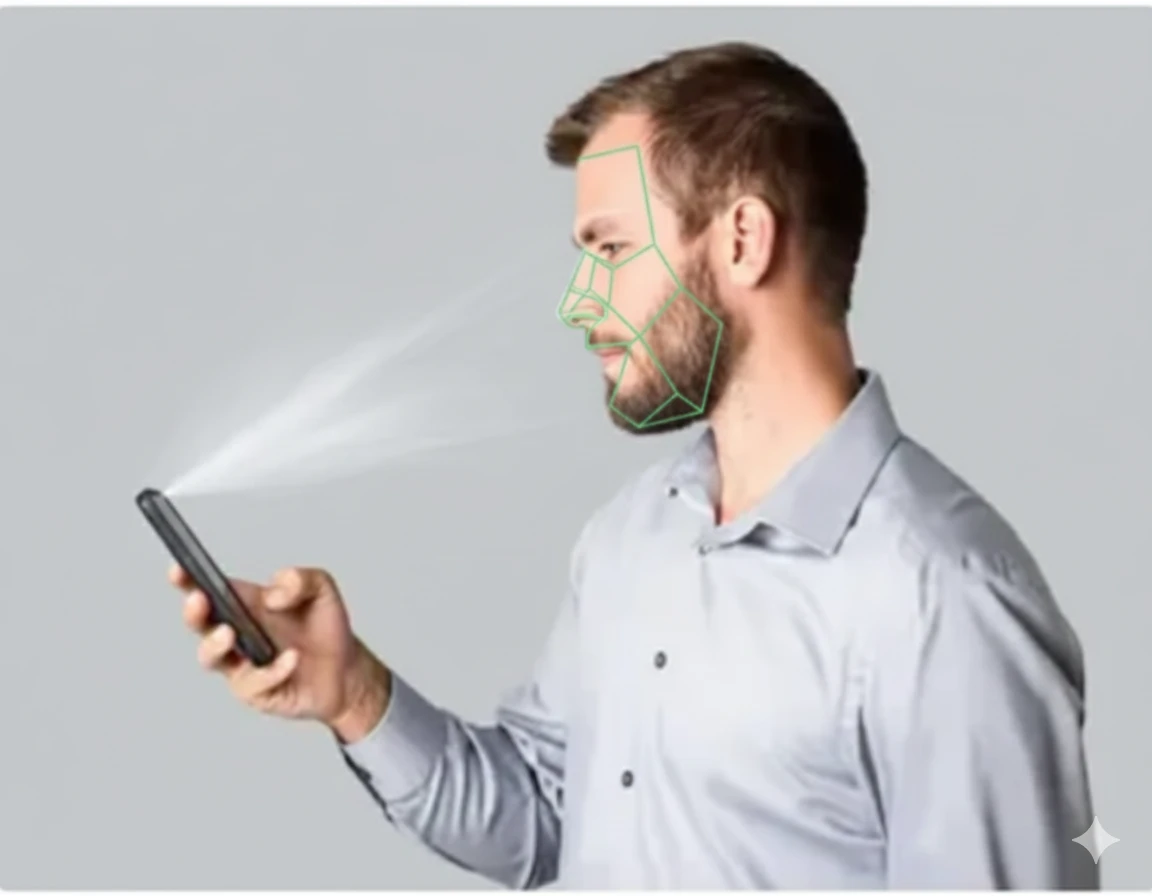
face scan mask fitting

Understanding CPAP Mask Types

Different mask styles suit different sleep positions, breathing patterns, and comfort preferences

Choosing the right CPAP mask is crucial for successful sleep therapy. The perfect mask should create an effective seal without causing discomfort, allowing you to sleep comfortably throughout the night.

Modern CPAP masks come in various designs, each with unique benefits for different types of sleepers. From minimal-contact nasal pillows to full-face coverage options, there's a mask designed to meet your specific needs.

This guide will help you understand the different mask categories, their features, and how to select the best option based on your sleep habits, facial structure, and therapy requirements.
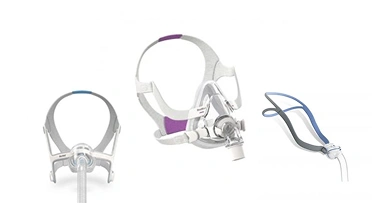
Full face CPAP mask fit guide

CPAP Mask Categories

Explore different mask styles to find the perfect fit for your sleep therapy
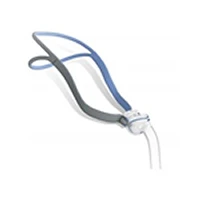
Nasal pillow CPAP mask

Nasal Pillows

Minimal design with small cushions that seal directly at the nostrils, offering maximum field of vision.
  • Minimal facial contact
  • Great for claustrophobia
  • Ideal for side sleepers
  • Less restrictive design
View Nasal Pillows
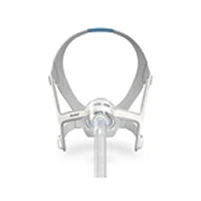
Comfortable nasal mask for sleep apnea

Nasal Masks

Covers only the nose with a cushion that seals around the nasal area, balancing comfort and stability.
  • Lightweight and comfortable
  • Good for active sleepers
  • Less obtrusive than full face
  • Wide variety of sizes
View Nasal Masks
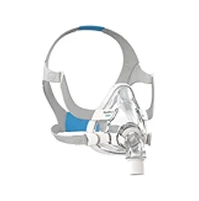
CPAP full-face mask

Full Face Masks

Covers both nose and mouth, ideal for mouth breathers or those with nasal congestion.

  • Suitable for mouth breathers
  • Higher pressure compatibility
  • Good for nasal congestion
  • Stable seal design
View Full Face Masks

Achieving the Perfect Mask Fit

Proper fit is essential for effective therapy and comfort throughout the night

Proper Sizing

Use manufacturer sizing guides and measurement tools to determine your correct mask size. Most brands offer templates to help you find the perfect fit.

Seal Quality

A proper seal should be secure without being too tight. Look for minimal leakage while maintaining comfort throughout different sleep positions.

Sleep Position Compatibility

Consider how you sleep. Side sleepers often prefer nasal pillows, while back sleepers may find full face masks more comfortable and stable.

Facial Structure

Your facial features, beard, bone structure, and skin sensitivity all impact which mask style will work best for your unique characteristics.

CPAP Mask Comparison Guide

Compare mask types to find the best option for your specific needs and preferences

Mask Type Best For Considerations
Nasal Pillows Side sleepers, active sleepers, claustrophobic users, those who wear glasses Minimal contact design, may not be suitable for high pressure settings or mouth breathers
Nasal Masks Back and side sleepers, those who move moderately during sleep Good balance of comfort and stability, may cause bridge of nose irritation if not fitted properly
Full Face Masks Mouth breathers, high pressure users, those with nasal congestion Provides comprehensive coverage, can feel restrictive for some users, may interfere with glasses

How to Choose Your CPAP Mask

Follow these steps to find the perfect mask for your sleep therapy needs

1

Assess Your Breathing Pattern

Determine whether you breathe through your nose, mouth, or both during sleep. This is the most important factor in choosing between nasal, full face, or hybrid masks.

Breathing Assessment Tips:

  • Ask your bed partner about your breathing habits
  • Consider seasonal allergies or nasal congestion
  • Think about whether you wake with a dry mouth
2

Evaluate Your Sleep Position

Your preferred sleep position significantly impacts which mask will stay sealed and comfortable throughout the night. Different masks work better for back, side, or stomach sleepers.

Sleep Position Tips:

  • Side sleepers often prefer nasal pillows
  • Back sleepers have more mask options
  • Stomach sleepers need minimal-profile masks
3

Consider Comfort & Claustrophobia

Your comfort level with facial contact and potential feelings of claustrophobia will determine how minimal or comprehensive your mask should be.

Comfort Evaluation Tips:

  • Try different cushion materials (silicone, gel, foam)
  • Consider mask weight and headgear design
  • Look for quick-release magnetic clips for easy removal
4

Match Mask to Your Therapy Pressure

Higher pressure settings require more secure sealing systems. Ensure your chosen mask is rated for your prescribed pressure range.

Pressure Compatibility Tips:

  • Check manufacturer pressure specifications
  • Higher pressures may require full face masks
  • Consider mask stability at your pressure setting

CPAP Mask FAQs

Get answers to common questions about CPAP mask selection and use

How often should I replace my CPAP mask?
CPAP masks should typically be replaced every 3-6 months, while cushions and headgear may need more frequent replacement (every 1-3 months). Signs that you need a new mask include persistent leaks despite proper adjustment, visible wear or tears in the cushion, stretched-out headgear, or discomfort that wasn't present when the mask was new.
What should I do if my mask leaks during the night?
First, try repositioning the mask while lying in your typical sleep position. Ensure the headgear is adjusted properly - not too tight or too loose. Clean your face and mask cushion to ensure proper seal. If leaks persist, you may need a different mask size or style. Many manufacturers offer fit packs with multiple cushion sizes to help you find the perfect fit.
Can I use a nasal mask if I breathe through my mouth?
If you breathe through your mouth during sleep, a nasal mask alone may not be effective as air will escape through your mouth, reducing therapy effectiveness. In this case, consider a full face mask, hybrid mask, or using a chin strap with a nasal mask to keep your mouth closed. Some users can train themselves to keep their mouth closed with practice.
How can I prevent red marks and pressure sores from my mask?
Ensure your mask isn't too tight - it should be snug but not constricting. Try different cushion materials (some prefer gel or memory foam). Use mask liners to create a barrier between your skin and the mask. Clean your mask daily to remove oils that can affect the seal. Consider alternating between two different mask styles to vary pressure points.

Ready to Find Your Perfect CPAP Mask?

Our sleep specialists can help you choose the ideal mask based on your sleep habits, facial structure, and therapy needs.

Want Exclusive Offers?

Share your email and we’ll reach out with the best deals and updates.