Search Product

HOME SLEEP TEST
Rx & Sleep Tests
CPAP Masks
CPAP Machines
CPAP Supplies & Accessories
Wireless Monitoring
Prescriptions
Blog
Submit Your Rx
Home Guides Beginner's CPAP Therapy

Beginner's Guide to CPAP Therapy

Everything you need to know to start your CPAP journey successfully. Learn how to adapt to therapy, improve your sleep, and enhance your quality of life.
95%
Success Rate
2-4 Weeks
Adaptation Period
24/7
Support Available
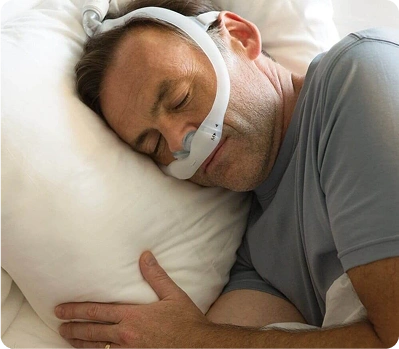
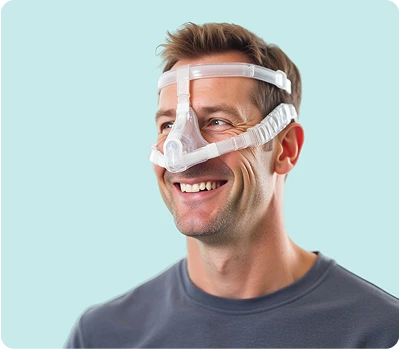
Travel-Friendly Nasal Pillow CPAP Mask

Understanding CPAP Therapy

A comprehensive introduction to continuous positive airway pressure treatment for sleep apnea

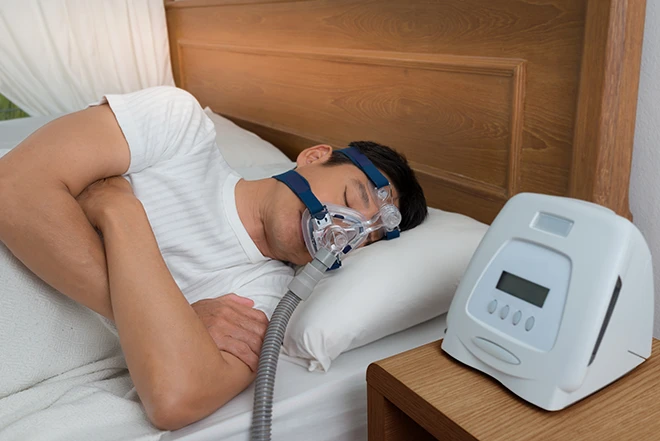
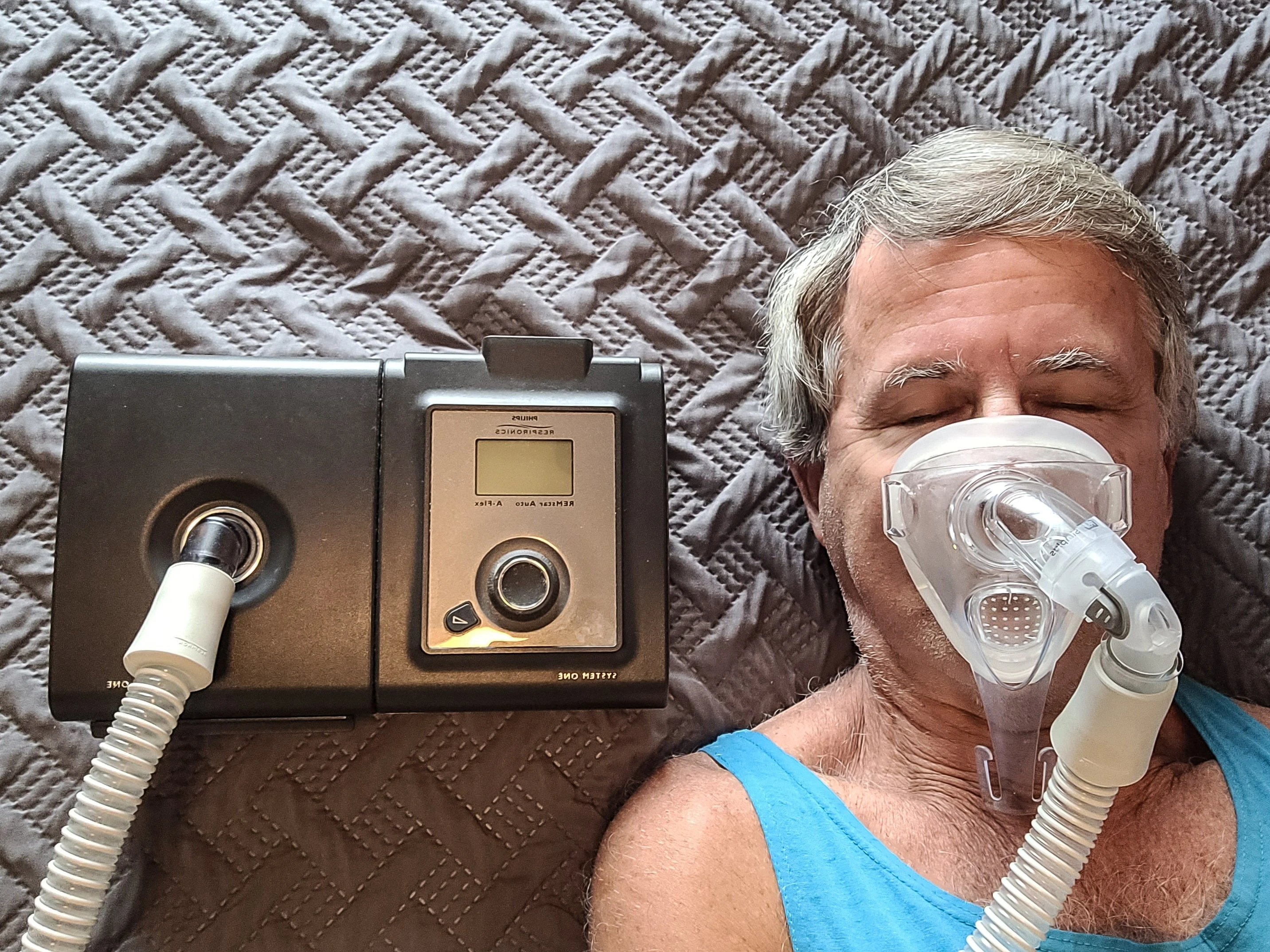
CPAP (Continuous Positive Airway Pressure) therapy is a common treatment for obstructive sleep apnea (OSA), a condition that causes repeated pauses in breathing, blocking your airways when you sleep. A CPAP machine gently delivers air through a mask to keep your airway open, helping you breathe comfortably and enjoy better sleep.

If you’re new to CPAP therapy, it’s normal to feel a little overwhelmed by the equipment or the adjustment period. Most people adapt within 2–4 weeks, resulting in better sleep, increased energy during the day, and lower health risks, making it worthwhile.

This beginner’s guide will walk you through everything you need to know, from understanding your machine and mask to troubleshooting common issues and creating a CPAP routine that fits your lifestyle.
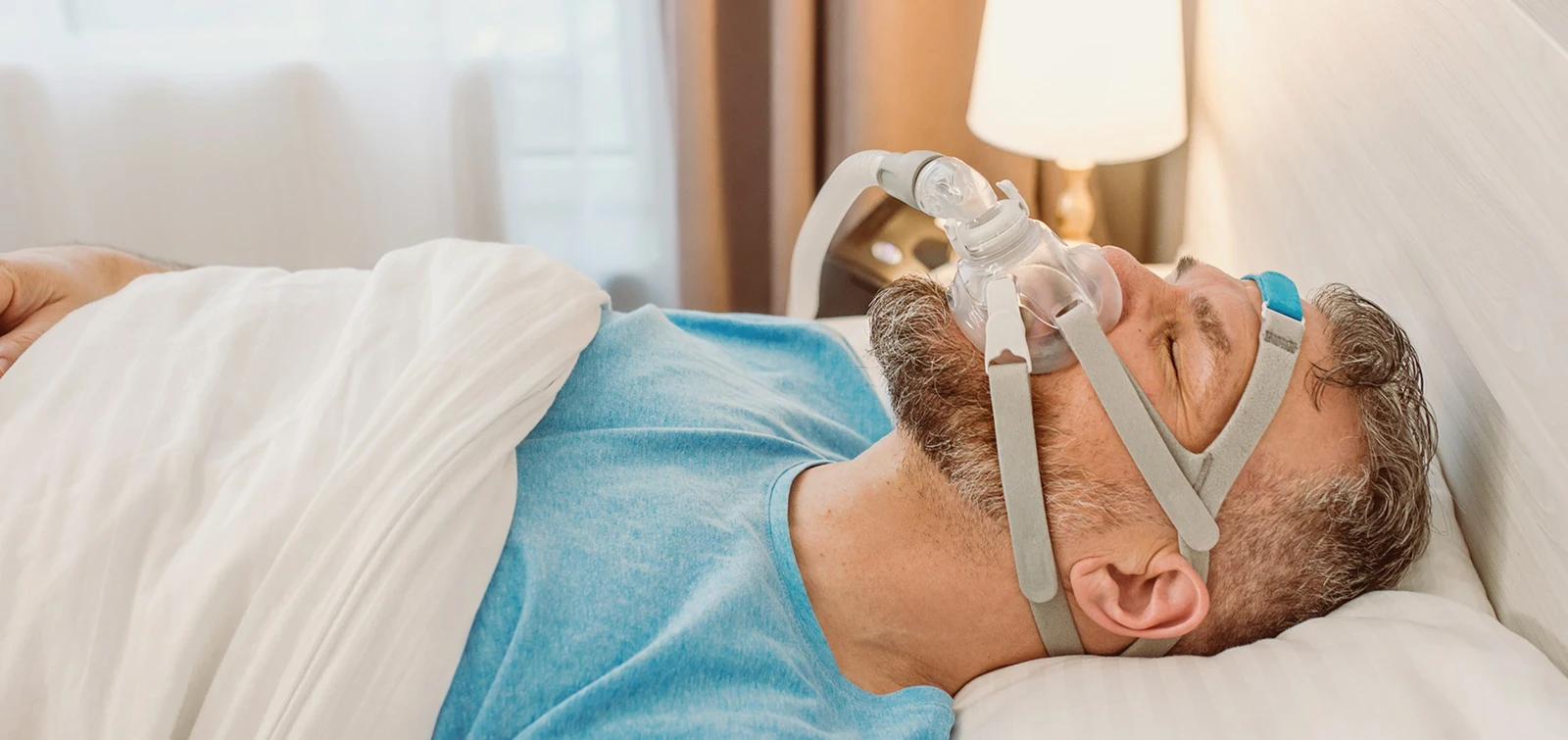
CPAP Mask Comfort Tips

Advantages of CPAP Therapy

Discover how consistent CPAP use can transform your health and quality of life

Improved Cardiovascular Health

Reduces strain on your heart and lowers risk of hypertension, heart attack, and stroke.

Enhanced Mental Clarity

Better sleep leads to improved concentration, memory, and cognitive function.

Increased Daytime Energy

Wake up refreshed with more energy for daily activities and exercise.

Therapy Benefits At A Glance

Learn how the therapy supports better sleep and overall well-being

Benefit Area Impact
Sleep Quality CPAP therapy helps you sleep more deeply and restfully by reducing awakenings and eliminating pauses in breathing at night.
Daytime Functioning With better sleep, you feel less tired during the day, concentrate more easily, maintain a stable mood, and boost your productivity.
Cardiovascular Health Regular use supports healthy blood pressure and reduces the risk of heart disease, stroke, and irregular heart rhythms by keeping oxygen levels steady.
Metabolic Health Improved sleep patterns enhance insulin sensitivity and lower the risk of developing type 2 diabetes.
Quality of Life Better sleep improves mental health, strengthens relationships, increases participation in daily activities, and enhances overall cognitive behavior.

Therapy Tutorials for Beginners

Watch expert guides on starting and maintaining your therapy routine successfully.
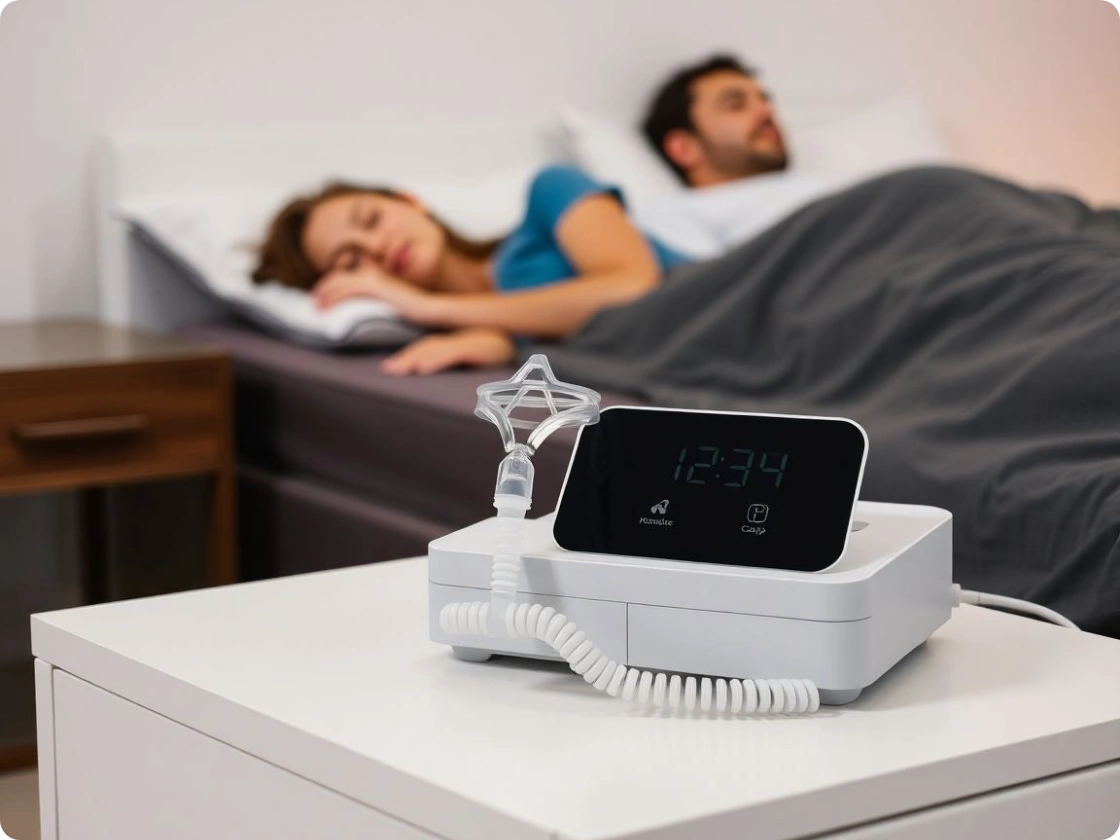
Best CPAP machine for sleep apnea

First Night with CPAP: What to Expect

Complete guide to preparing for and getting through your first night of CPAP therapy successfully

15:22 68K views
Best CPAP machine for sleep apnea

Finding the Perfect CPAP Mask Fit

Learn how to properly fit your CPAP mask to prevent leaks and ensure comfortable therapy all night

12:45 42K views
Best CPAP machine for sleep apnea

Common CPAP Problems & Solutions

Troubleshoot the most common issues new CPAP users face and learn simple solutions for better therapy

18:30 55K views

Starting Your CPAP Therapy Journey

Follow these steps to establish a successful CPAP routine and maximize your therapy benefits

1

Understand Your Equipment & Setup

Familiarize yourself with your CPAP machine, mask, and accessories before your first use.

Equipment Setup Tips:

  • Practice assembling your CPAP during the daytime
  • Learn how to adjust headgear for a secure but comfortable fit
  • Understand your machine's settings and features
  • Position your machine properly on your bedside table
2

Establish a Pre-Sleep CPAP Routine

Create consistent habits that help you transition comfortably into therapy each night.

Routine Building Tips:

  • Start with short sessions while awake to get accustomed to the sensation
  • Use relaxation techniques before putting on your mask
  • Clean your equipment regularly as part of your routine
  • Keep a journal to track your progress and challenges
3

Troubleshoot Common Beginner Challenges

Learn to identify and resolve the most frequent issues new CPAP users encounter.

Problem-Solving Tips:

  • Address mask leaks with proper fitting and adjustment
  • Manage nasal congestion with humidity settings or nasal sprays
  • Reduce dryness with appropriate humidifier settings
  • Overcome claustrophobia with gradual exposure and mask alternatives
4

Optimize Your Therapy & Track Progress

Fine-tune your setup and monitor your improvement over time.

Optimization Tips:

  • Use machine data to track your therapy effectiveness
  • Schedule follow-ups with your sleep specialist
  • Experiment with different mask types if needed
  • Celebrate small victories and gradual improvements

Frequently Asked Questions

Find answers to the most common questions about your therapy or device.

How long does it take to get used to CPAP therapy?
Most people adapt to CPAP therapy within 2-4 weeks, though some may take longer. The key is consistency—using your CPAP every night, even for short periods initially. Starting with practice sessions while awake can help you adjust to the sensation more quickly.
What should I do if my CPAP mask is uncomfortable or leaks?
Mask discomfort and leaks are common issues that can usually be resolved. First, ensure your mask is properly sized and adjusted—it should be snug but not tight. If problems persist, you may need to try a different mask style (nasal, nasal pillow, or full face). Many suppliers offer mask guarantee programs that allow you to exchange masks during an adjustment period.
How do I clean and maintain my CPAP equipment?
Daily cleaning of your mask cushion and weekly cleaning of your tubing, humidifier chamber, and headgear is recommended. Use mild soap and warm water, then air dry completely. Never use harsh chemicals, and replace components according to manufacturer guidelines—typically masks every 3-6 months, tubing every 3 months, and filters monthly or as needed.
What if I feel like I'm not getting enough air with my CPAP?
The "ramp" feature on most CPAP machines can help by starting at a lower pressure and gradually increasing to your prescribed level. If you consistently feel air-starved, your pressure settings might need adjustment—consult your sleep specialist. Also check for mask leaks or blockages in your filter that could be reducing airflow.

CPAP Mask Insights & Tips

Expert CPAP Guides

Browse our comprehensive collection of CPAP guides to find the information you need. Each guide is carefully crafted by sleep specialists to help you get the most out of your therapy.

Ready to Start Your CPAP Journey?

Explore our selection of CPAP machines, masks, and accessories designed for beginner success
Want Exclusive Offers?

Share your email and we’ll reach out with the best deals and updates.